
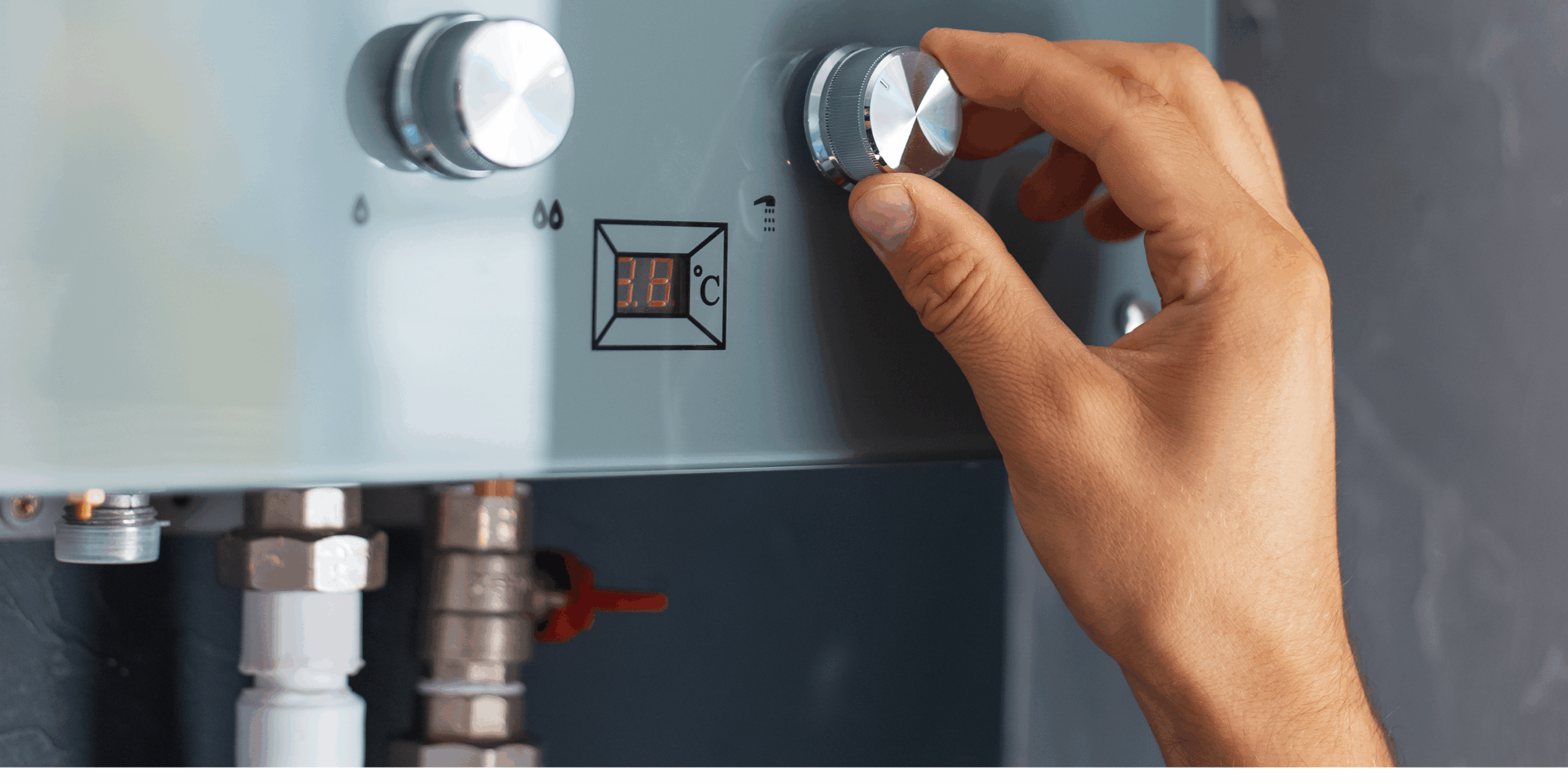
Your water heater is one of the most important appliances in your home, and also one of the easiest to forget about… until it stops working.
Unfortunately, most water heaters don’t fail out of nowhere. They usually give off warning signs weeks (or even months) before they break down completely.
If you know what to watch for, you can avoid cold showers, water damage, and costly emergency replacements.
How Long Should a Water Heater Last?
Most traditional tank-style water heaters last around:
-
8–12 years (average lifespan)
-
Some can last longer with proper maintenance
-
Hard water and heavy usage can shorten the lifespan significantly
If your water heater is 10+ years old, even minor issues can signal that it’s nearing the end.
10 Signs Your Water Heater Is About to Fail
1. Your Water Isn’t Getting Hot (Or Doesn’t Stay Hot Long)
If the hot water runs out quickly or never gets fully hot, it could indicate:
-
A failing heating element
-
Sediment buildup reducing efficiency
-
A thermostat issue
-
A tank that can’t keep up due to age
What to do next:
If your water heater is older than 8–10 years, this may be a sign it’s time to consider replacement rather than repair.
2. Your Water Heater Is Making Loud Noises
Banging, popping, or rumbling sounds often come from sediment buildup at the bottom of the tank. As sediment hardens, it makes the unit work harder and can lead to overheating and tank damage.
What to do next:
A professional flush may help — but if the noise persists, it may indicate long-term damage or a weakening tank.
3. Rust-Colored Water Coming From Hot Taps
If the hot water looks brown, reddish, or has a metallic smell, corrosion is likely happening:
-
Inside the tank
-
Or from piping leading to it
This is especially concerning because internal rust often means the tank itself is deteriorating.
What to do next:
Call a plumber right away to confirm whether the tank is rusting internally. If it is, replacement is usually the safest option.
4. Visible Corrosion on the Tank or Connections
Rust on the outside of the water heater — especially around fittings, the bottom, or near the valve — can signal:
-
Slow leaks
-
Internal corrosion bleeding outward
-
Weakening structure
What to do next:
Corrosion often means the unit is past its prime. Have it inspected before a small issue becomes a major leak.
5. Leaking or Moisture Around the Water Heater
A small puddle or dampness around the unit could be caused by:
-
Loose fittings
-
A leaking temperature/pressure relief valve
-
Cracks developing in the tank
Even “minor” leaks can become full failures quickly.
What to do next:
Turn off the water supply to the heater and call a professional. Leaks should always be treated as urgent.
6. Your Hot Water Smells Like Rotten Eggs
A sulfur or “rotten egg” smell is usually caused by bacteria reacting with sediment or the anode rod inside the tank.
This doesn’t always mean failure — but it’s a sign the system needs attention.
What to do next:
A tank flush, anode rod replacement, or disinfection treatment may solve it. Don’t ignore it, especially if the smell worsens.
7. You Notice Higher Utility Bills With No Change in Usage
As water heaters age, they become less efficient — especially when sediment buildup forces the unit to work harder.
What to do next:
If your bill increases over several months and your heater is over 8 years old, it’s worth scheduling an efficiency inspection.
8. Your Water Temperature Is Inconsistent
If your water is suddenly too hot, too cold, or fluctuates frequently, it can indicate:
-
A failing thermostat
-
Heating element issues (electric)
-
Burner problems (gas)
-
Sediment interfering with proper heating
What to do next:
This may be repairable, but it’s important to address quickly before the heater fails completely.
9. The Water Heater Is Over 10 Years Old
Even if your unit seems “fine,” age matters. Many water heaters fail without warning once they hit their final years.
What to do next:
Check the manufacturing date (usually found on a sticker). If it’s 10+ years old, start planning for replacement before it becomes an emergency.
10. You’re Experiencing Frequent Repairs
If you’ve called for multiple repairs within a short period, that’s often your water heater telling you it’s done.
It’s similar to repeatedly repairing an old car — eventually, replacement costs less than continued fixes.
What to do next:
Ask your plumber for a repair vs. replacement comparison and long-term cost estimate.
What to Do Next If You Spot These Signs
If you notice one or more of the above signs, here are the best next steps:
Step 1: Check Your Warranty
Many water heaters include warranties from 6–12 years. If your warranty is still active, you may qualify for partial coverage.
Step 2: Shut Off Water if You See Leaks
If water is pooling around the tank:
-
Shut off the cold water supply valve
-
Turn off the power (electric) or gas supply
-
Call a professional immediately
This can prevent water damage and protect your home.
Step 3: Schedule an Inspection Before It Fails
A professional inspection can determine:
-
Whether a repair will extend the unit’s life
-
Whether the tank is compromised
-
Whether replacement is the safer choice
This is especially important during winter months or before a busy season.
Step 4: Plan Replacement Early (Avoid Emergency Pricing)
Replacing a water heater before it fails completely allows you to:
- Choose the best model and size
- Avoid emergency service rates
- Prevent water damage
- Schedule at a convenient time
Should You Repair or Replace Your Water Heater?
Here’s a simple rule of thumb:
Repair It If:
-
It’s under 8 years old
-
It has a minor issue (thermostat, valve, element)
-
No corrosion or leaking tank is present
Replace It If:
-
It’s 10+ years old
-
There’s rust, corrosion, or leaking
-
Repairs are frequent or expensive
-
Hot water demand has changed (bigger household, more usage)