
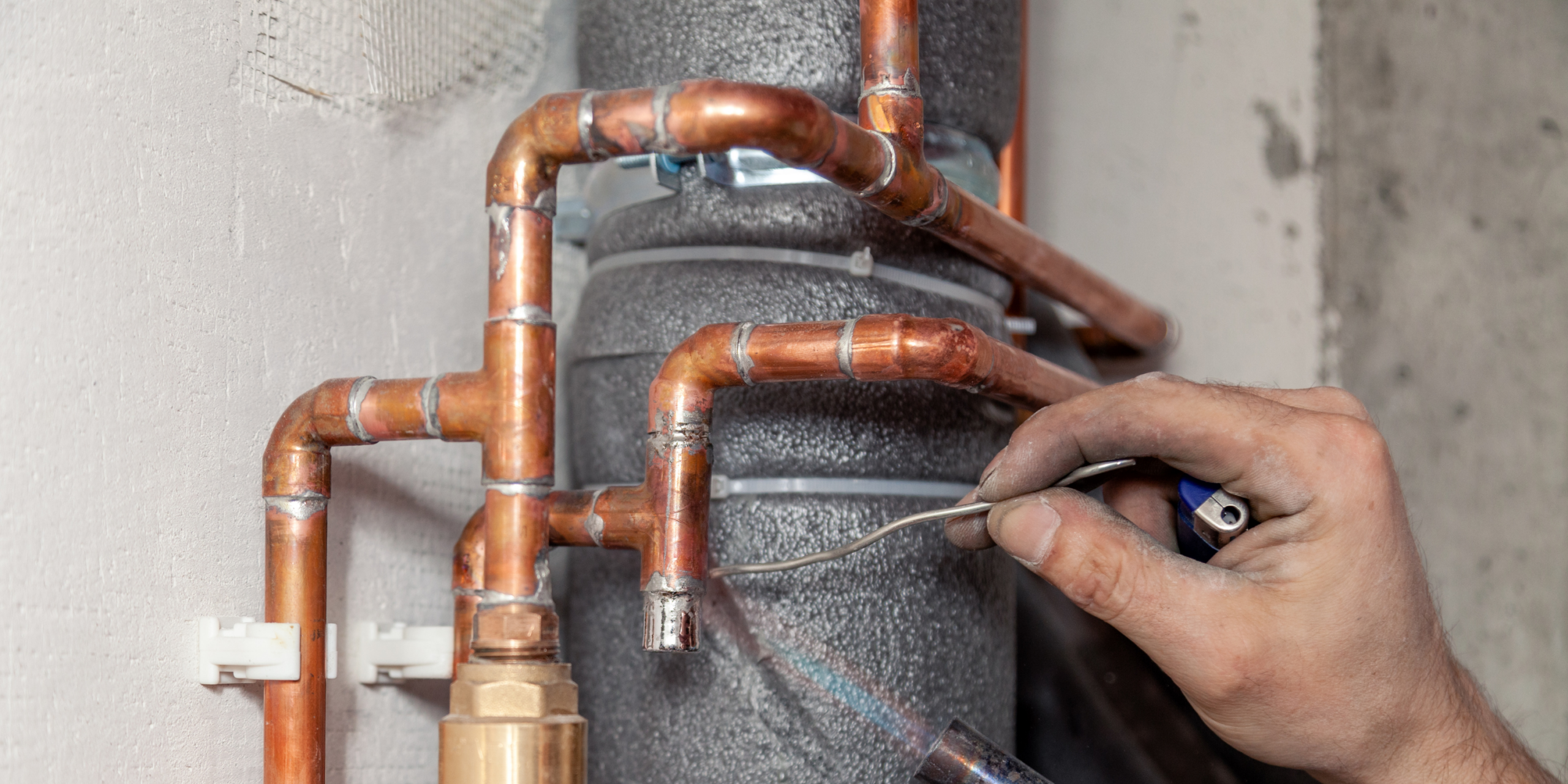
For decades, copper piping was the gold standard for residential and commercial plumbing systems.
If you open the walls of many homes built in the mid-20th century, you’ll likely find copper supply lines carrying water throughout the property. While copper is still used today, it’s no longer the default option in many plumbing projects. Advances in materials and installation methods have introduced newer alternatives that are often faster and more cost-effective.
In this guide, we’ll explore why copper plumbing became popular, why it’s less common today, and what materials modern plumbers typically use instead.
The Rise of Copper Plumbing
Copper pipes became widely used in the early to mid-1900s as a replacement for older galvanized steel piping, which tended to rust and restrict water flow over time. Copper offered several advantages that made it the preferred material for decades.
Key benefits of copper plumbing included:
-
Exceptional durability – Copper pipes can last 50 years or more with proper installation and maintenance.
-
Resistance to bacteria growth – Copper naturally inhibits some microbial growth inside pipes.
-
High temperature tolerance – Copper handles hot water and high-pressure systems well.
-
Recyclability – Copper is a valuable metal that can be recycled at the end of its lifecycle.
Because of these benefits, copper became the standard plumbing material for residential water supply systems throughout the 20th century.
Why Copper Plumbing Is Less Common Today
Although copper is still used in some applications, several factors have contributed to its decline in modern plumbing installations.
1. Higher Material Costs
One of the biggest drawbacks of copper is price. Copper piping can cost significantly more than modern plastic alternatives like PEX or CPVC.
In many projects, switching to newer materials can reduce plumbing costs by 40–50%, especially in large installations or whole-home re-piping projects.
2. More Complex Installation
Copper installation requires specialized skills and equipment.
Traditional copper systems require:
-
Cutting rigid pipe sections
-
Cleaning fittings
-
Using a torch to solder (sweat) connections
This process is slower and requires trained professionals. In contrast, modern piping systems often use crimp, clamp, or push-fit connections, which dramatically reduce installation time.
3. Corrosion and Water Chemistry Issues
While copper is durable, it can still be affected by certain water conditions.
For example:
-
Acidic water can cause corrosion or “pinhole leaks”
-
Mineral buildup can occur in some water systems
-
Copper may sometimes cause a metallic taste if corrosion occurs
These factors can lead some homeowners or builders to choose alternative materials depending on local water conditions.
4. The Rise of Flexible Plumbing Systems
Modern plumbing increasingly favors materials that are flexible and easier to route through walls and ceilings. Flexible piping reduces the need for fittings and joints, which are common failure points in plumbing systems.
This shift in design has helped accelerate the adoption of newer materials like PEX.
Modern Plumbing Materials Used Today
Today’s plumbing systems typically use a combination of materials depending on the type of piping required.
1. PEX (Cross-Linked Polyethylene)
PEX has become one of the most common materials for residential water supply lines.
Advantages of PEX include:
-
Flexible tubing that can bend around corners
-
Faster installation with fewer fittings
-
Lower material costs
-
Resistance to freezing damage
-
Corrosion and scale resistance
Because of these advantages, PEX now dominates new home construction plumbing systems in many areas.
However, PEX does have some limitations. It cannot be exposed to direct sunlight for extended periods and can be vulnerable to rodent damage in rare cases.
2. CPVC (Chlorinated Polyvinyl Chloride)
CPVC is another alternative commonly used for hot and cold water supply lines.
Benefits include:
-
Resistance to corrosion and chemicals
-
Good heat tolerance
-
Lower cost than copper
-
Simple installation using solvent cement
However, CPVC is rigid and requires more fittings than PEX, which can increase installation complexity in tight spaces.
3. PVC (Polyvinyl Chloride)
PVC is widely used in plumbing systems, but typically for drain, waste, and vent (DWV) piping rather than potable water supply.
Key advantages:
-
Very affordable
-
Lightweight and easy to install
-
Highly resistant to corrosion
However, standard PVC cannot handle high temperatures and is not typically used for hot water lines.
4. Stainless Steel and Specialty Alloys
In certain commercial or industrial environments, stainless steel or specialized alloys may be used due to their:
-
High strength
-
Corrosion resistance
-
Ability to handle extreme temperatures
These materials are usually reserved for specialized applications due to higher costs.
Does Copper Still Have a Place in Plumbing?
Despite the popularity of newer materials, copper is far from obsolete. Many plumbers still use copper in situations where durability and heat resistance are especially important.
Copper is still commonly used for:
-
Water heater connections
-
Outdoor exposed piping
-
High-temperature systems
-
Certain commercial plumbing applications
For homeowners who prioritize longevity and traditional materials, copper remains a reliable choice.
The Bottom Line
Copper plumbing was once the standard for nearly every residential water system, thanks to its durability and long lifespan. However, rising material costs and the development of flexible plastic piping systems have shifted the industry toward newer options.
Today, materials like PEX, CPVC, and PVC dominate modern plumbing installations because they are faster to install, more affordable, and adaptable to modern construction methods.
That said, copper still plays an important role in plumbing and continues to be valued for its reliability and long-term performance in the right applications.
Pro Tip: If you’re planning a plumbing upgrade or re-piping project, the best material often depends on factors like your home’s layout, water quality, local building codes, and budget. Consulting with a licensed plumber can help determine the right system for your specific needs.
Let’s get started on your next project with a free consultation!