
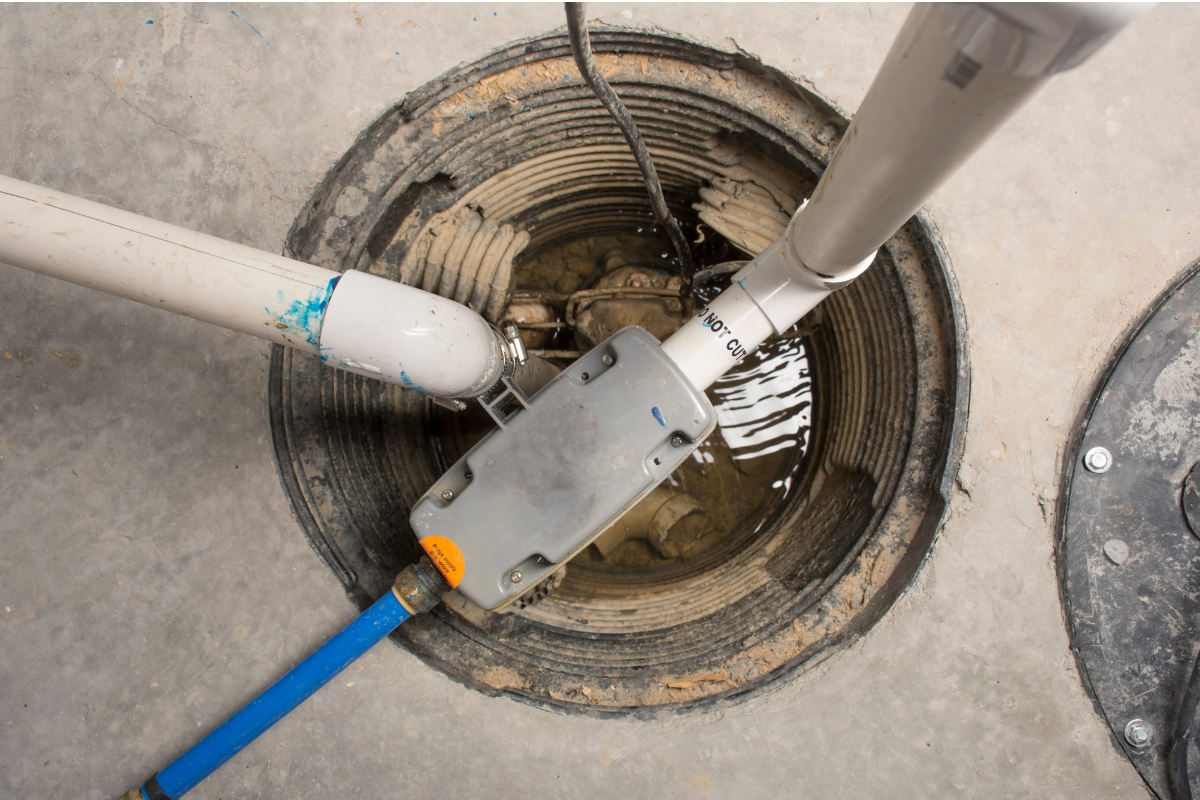
September is an ideal time for New Hampshire homeowners to prepare their plumbing systems for changing weather. While gutters, heating systems, and outdoor faucets often receive the most attention, there is another important piece of equipment that should not be overlooked: the sump pump.
A sump pump can help move groundwater away from a basement or crawl space before it reaches the floor. However, a pump that has been sitting unused may have a stuck float, blocked discharge line, power problem, or mechanical issue.
Testing your sump pump before autumn storms arrive gives you time to identify problems and arrange service before water begins collecting. It can also help prepare your home for future spring rain and snowmelt.
Here is how to test a sump pump safely, what to watch for, and when to contact a plumber in Merrimack, New Hampshire.
Why Test Your Sump Pump Before Fall Rain?
A sump pump is typically installed inside a basin at the lowest part of a basement or crawl space. When groundwater enters the basin, a float or sensor activates the pump. The pump then moves the water through a discharge pipe and away from the home.
Once the water reaches a lower level, the pump should shut off automatically.
If any part of this cycle fails, the first warning may be water collecting around the sump pit or spreading across the basement floor. Testing the system in September gives you an opportunity to identify problems before prolonged rain, autumn storms, or future snowmelt place additional demand on the pump.
Testing is especially important if:
- The pump has not operated recently
- Your basement has experienced water intrusion
- You recently lost power
- Work was completed near the sump pit
- Items have been moved or stored around the pump
- You hear unfamiliar noises when the pump operates
- The system is older or has needed previous repairs
What You Need to Test a Sump Pump
A basic homeowner test usually requires:
- A flashlight
- A bucket of clean water
- Work gloves
- A towel
- Access to the exterior discharge outlet
Before starting, make sure the area surrounding the sump pit is dry and clear enough to move safely.
Important Safety Reminder
Never touch a pump, electrical cord, plug, outlet, or control while standing in water. If the area is already wet, the cord appears damaged, or the electrical setup looks unsafe, stop and contact a professional.
Do not repeatedly reset a tripped breaker or GFCI outlet without determining what caused it to trip.
How to Test a Sump Pump in 7 Steps
1. Inspect the Sump Pit
Use a flashlight to look inside the pit. Check for loose debris, heavy sediment, or stored objects that could interfere with the pump.
If the basin has a cover, remove it only if you can do so safely without disturbing the wiring or discharge pipe.
2. Check the Visible Power Connection
Confirm that the power cord appears intact and connected to the intended outlet. Look for visible damage, loose connections, or signs of overheating.
Sump pumps should not rely on an unsuitable extension cord. If you are unsure about the electrical connection, have it evaluated by a qualified professional.
3. Make Sure the Float Can Move
Most sump pumps use a float or sensor to detect rising water. The float needs enough open space to rise and fall without becoming pinned against the basin wall, pump, pipe, or electrical cord.
Do not force the float or reach into the basin while the pump is moving.
4. Add Clean Water Slowly
Slowly pour a bucket of clean water into the sump pit. Continue adding water until the water level raises the float or activates the sensor.
Avoid dumping the water too quickly. The goal is to recreate a normal increase in the water level and observe how the system responds.
5. Confirm That the Pump Starts
As the water rises, the pump should activate automatically. Once it starts, the water level inside the pit should begin dropping.
If the motor hums but the water does not move, stop the test. The intake, discharge pipe, check valve, or pump may have a problem.
6. Watch the Entire Pump Cycle
Allow the pump to complete a full cycle. It should remove the added water and shut off once the water reaches the proper lower level.
A pump that runs continuously, fails to shut off, or switches on and off every few seconds should be inspected.
7. Check the Exterior Discharge
If the discharge outlet is safely accessible, go outside and confirm that water exits the pipe.
Look for:
- A blocked discharge opening
- A crushed or disconnected pipe
- Water pooling next to the foundation
- Water flowing immediately back toward the house
- Soil, leaves, or debris obstructing the outlet
The discharge should direct water away from the foundation in a manner appropriate for the property and local requirements.
What Does a Healthy Sump Pump Cycle Look Like?
During a basic test, a working sump pump should:
- Activate when the water reaches the float or sensor
- Move water steadily through the discharge pipe
- Lower the water level inside the pit
- Shut off after the water reaches the correct level
- Complete the cycle without grinding, scraping, burning odors, or repeated electrical trips
Some noise is normal, and different pump models operate differently. Consult the manufacturer’s instructions if you are unsure about the expected operation of your specific system.
Signs Your Sump Pump Needs Professional Attention
Contact a plumber if you notice any of the following warning signs:
- The pump does not start when the water rises
- The motor hums, but the water level does not drop
- The pump runs continuously
- The unit starts and stops repeatedly
- The pump produces grinding, scraping, or unusually loud rattling
- Water immediately returns to the pit
- The discharge line is blocked, damaged, or disconnected
- The float cannot move freely
- The cord or electrical connection appears damaged
- You notice corrosion, overheating, or a burning odor
- The pump cannot keep up with the water entering the basin
Do not wait for the next period of heavy rain to see whether the problem resolves itself. A failed test is an opportunity to address the issue before the system is urgently needed.
Why Do Sump Pumps Stop Working?
A pump that fails a test does not always need to be replaced. Several different parts of the system can cause poor performance.
Common problems may involve:
- A stuck or obstructed float
- Debris around the intake
- A blocked discharge pipe
- A damaged or incorrectly operating check valve
- A power-supply problem
- Improper pump sizing
- Normal mechanical wear
- Incorrect installation
- A pump that cannot handle the volume of incoming water
A plumber can inspect the system, identify the source of the problem, and explain whether an adjustment, repair, or replacement is appropriate.
Avoid opening the pump housing or attempting electrical work unless you are qualified to do so.
Should You Consider a Backup Sump Pump?
A primary sump pump depends on both the equipment and its power source. Unfortunately, storms that increase groundwater can also cause power outages.
A backup system or high-water alarm may be worth discussing if your home has:
- A finished basement
- A history of water intrusion
- Frequent power interruptions
- Valuable belongings stored below ground level
- A pump that runs frequently during storms
- Limited drainage around the foundation
Backup systems vary. Some use batteries, while others operate using different methods. The right option depends on the sump pit, discharge route, expected water volume, available power, and system requirements.
A professional can help you compare the available options for your property.
Complete This Fall Basement and Drainage Checklist
Your sump pump is only one part of your home’s water-management system. In September, take a few additional steps to prepare the surrounding area:
- Remove leaves and debris from gutters
- Make sure downspouts drain properly
- Direct downspout water away from the foundation when the property allows
- Keep the sump pump discharge outlet clear
- Check basement walls and floors for damp spots or staining
- Look for peeling paint, musty odors, or signs of recurring moisture
- Keep stored belongings off the basement floor
- Test any high-water alarm according to the manufacturer’s instructions
- Make sure the sump pit is not blocked by boxes or household items
If you notice recurring basement moisture, determine where the water is coming from. A sump pump cannot prevent every type of water problem, including leaking pipes, overflowing fixtures, surface water entering through an opening, or sewer backups.
Frequently Asked Questions About Sump Pump Testing
How Often Should I Test My Sump Pump?
A practical approach is to test the pump before wetter seasons, before an expected period of heavy rain, and after a long period without operation. Always follow the maintenance schedule provided by the pump manufacturer.
What If My Sump Pump Runs but Does Not Remove Water?
Stop the test. The intake or discharge line may be blocked, the check valve may not be working correctly, or the pump may have a mechanical problem. Allowing a malfunctioning pump to continue running could worsen the issue.
Can a Sump Pump Prevent Every Type of Basement Flooding?
No. A sump pump manages water that reaches the sump pit. It cannot prevent flooding caused by every possible source, including a burst pipe, overflowing plumbing fixture, major sewer backup, or water entering through a basement opening.
When Should I Consider Sump Pump Replacement?
Ask a plumber about replacement if the pump cannot complete a test cycle, needs frequent attention, shows visible damage, or no longer keeps up with the water entering the pit.
Age is one consideration, but the pump’s condition, usage, installation, and capacity are also important.
Should I Test My Sump Pump If It Has Been Working Normally?
Yes. A pump may appear fine during limited operation but still have a partially blocked discharge, restricted float, or another developing issue. A complete test lets you observe the entire cycle before the pump is needed during heavy rain.
Need Sump Pump Help in Merrimack, NH?
If your sump pump does not start, cannot complete a full cycle, or appears damaged, JMS Plumbing & Heating can help you determine the next step.
JMS provides professional plumbing services for residential and commercial properties in Merrimack and surrounding New Hampshire communities, including sump pump installation.
Prepare your basement before the next stretch of wet weather. Call (603) 661-7632 or visit https://jmsplumbandheat.com/contact-us/ to request your free estimate.