The first chilly October morning settles the “Is it too early to turn on the heat?” debate. You set the thermostat, wait for the house to warm up, and hope everything works after months of sitting idle.
Before you need heat every night, take a few minutes to see how your system responds. These checks do not require opening equipment or making repairs. They can help you catch an issue early and give a heating professional useful details if you need to call.
1. Give the thermostat a quick test
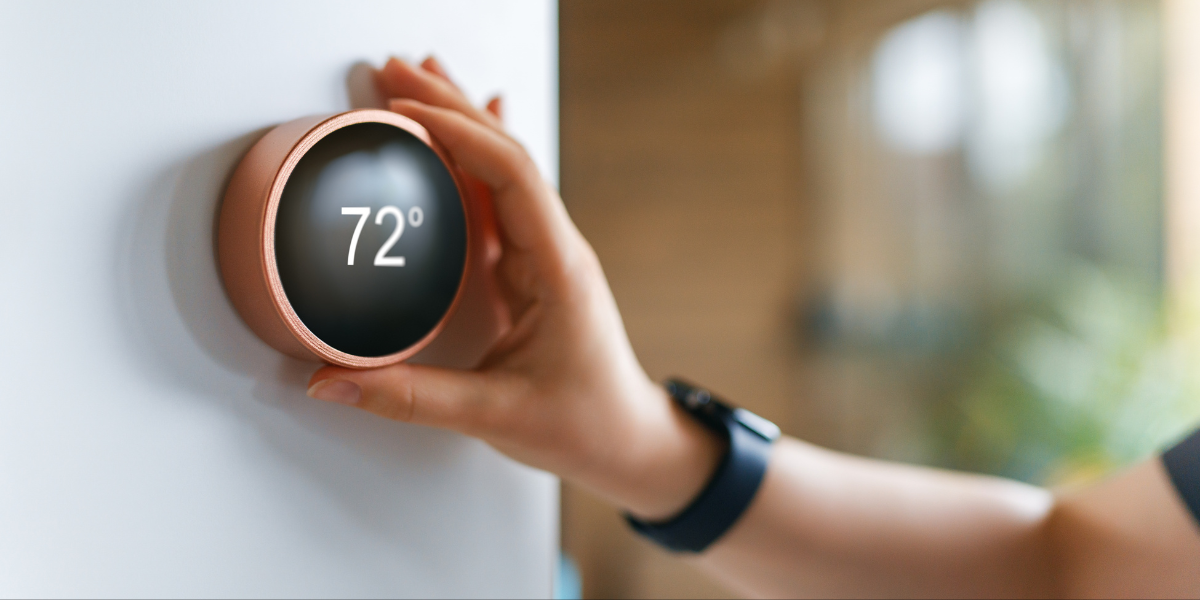
Switch the thermostat to heat and set it a few degrees above the current room temperature. Give the system time to respond. You should hear or feel it start up and eventually notice the room warming.
If nothing happens, confirm that the thermostat is set to heat, check the schedule if you have a programmable model, and replace its batteries if your model uses them. If the display is blank or the system still will not respond, avoid repeatedly resetting the equipment. An electrical or mechanical issue may need attention.
2. Check the filter, if your system has one
Forced-air systems typically have a filter that collects dust and other particles. If yours looks dirty, replace or clean it according to the manufacturer’s instructions. A clogged filter can restrict airflow and make it harder for the system to move warm air through the house. ENERGY STAR recommends checking HVAC filters regularly and having a qualified contractor service heating equipment in the fall.
If your home uses radiators or another heating setup without a standard air filter, skip this step. The right maintenance depends on the equipment you have.
3. Make sure heat can reach the rooms you use
Walk through your home while the system is running. Are some rooms noticeably colder than others? Are supply and return vents blocked by rugs, furniture, or storage? If you have radiators or baseboard heating, make sure they are not hidden behind heavy furniture or covered with belongings.
Moving an obstruction may solve a simple airflow problem. If one room remains cold, the system takes unusually long to warm the house, or the heat cuts out before the thermostat reaches its setting, the cause may be inside the equipment. Those are useful details to share when you call for service.
4. Pay attention during the first full heating cycle
It is easy to turn up the heat and move on with your day. Instead, stay nearby for the first cycle and notice how the system behaves. Does it start and stop normally? Is there a new banging, grinding, or rattling sound? Do you see water around heating equipment or nearby pipes?
An unfamiliar sound does not tell you exactly what is wrong, but it is a reason to have the system checked, especially if it continues. A leak, repeated shutdown, or lack of heat is also worth addressing before a colder night makes the problem more disruptive. Do not open equipment panels or attempt gas line repairs yourself.
5. Test your carbon monoxide alarms
If your home has fuel-burning heating equipment, carbon monoxide safety belongs on your October list. Press the test button on your alarms, follow the manufacturer’s instructions for batteries and replacement dates, and make sure alarms are installed in the recommended locations near sleeping areas. Carbon monoxide has no smell, so an alarm is essential even when the system seems to be working normally.
The U.S. Consumer Product Safety Commission recommends a professional annual inspection of fuel-burning heating systems, including checks of vents and flues. If a carbon monoxide alarm sounds, leave the home immediately and call emergency services from outside. Do not go back inside until responders say it is safe.
6. Schedule service before you need heat every day
A successful thermostat test is reassuring, but it cannot reveal every developing issue. A professional heating visit gives you a chance to discuss inconsistent temperatures, unusual noises, a system that will not start, or equipment that has not been serviced recently.
October is a practical time to make that call. You can describe what you noticed during the first run and get guidance before New Hampshire’s colder weather settles in. JMS Plumbing & Heating offers heating maintenance and repairs for homes and businesses in Merrimack and surrounding areas.
When should you call JMS Plumbing & Heating?
Call if the heat will not turn on, rooms are staying cold, the system keeps shutting off, you notice a leak, or you hear a persistent new noise. You can also reach out if you simply want your heating system checked before regular winter use. If you smell gas, leave the area and contact your gas utility or emergency services from a safe location first.
You do not have to wait for a complete breakdown to ask for help. A quick conversation about what your system is doing can help determine the next step.
Ready to get your heat checked before colder weather arrives?
Visit the JMS Plumbing & Heating website to request a free estimate for heating service in Merrimack, NH, and nearby areas.